這六句話都很簡單,它們的作用是,講了這句話,自然就有會有源源不絕的話跟著流出來。要注意,這幾句話,不要直譯,直譯就不自然了。怎麼在對話中用這六句話呢?我們一起讀以下對話,記得很牢,時不時就出現在口語中,就不怕找不到話聊了。


1. If you ask me 依我看(不要說:如果你問我)
if you ask me為英語口語慣用表達,很接近中文的「依我看」,別人不定問你,說話的人自己找一個台階,就有話說了。不要理解為"你要是問我":


If you ask me, she doesn't really want the job. 
依我看,她並不真正想要這份工作。
He was nuts, if you ask me. 
我覺得他是個瘋子。


2. Ask me another 我怎麼知道、不知道(不要說:問我另外的事)
這句話用來回答熟人或朋友之間無聊的提問,意是:問點新鮮的; 多此一問;我怎麼知道;別傻裡傻氣。如:
A:Then how old is the lady? 
那麼這位女士多大年紀了?
B:Ask me another. 
我怎麼知道。
有時也用來回答一般性提問,意為:不知道(=I don't know)。如:
A:What's the population of Japan? 
日本有多少人口?
B:Ask me another. 
我不知道。
A:How much does such a computer cost? 
那樣的電腦要花多少錢?
B:Ask me another. 
我說不上來。


3. Believe it or not 真不可思議、你相信嗎(不要說:信或不信)
這句話字面的意思是,信不信由你。它其實並不是強調相信與否;而是一個口頭禪,接近中文的,我說的是真的,真不可思議。如:
I asked my boss for a month's holiday and, believe it or not, he agreed. 
我向老闆請一個月的假,真不可思議,他同意了。
Believe it or not, this mosque is in the heart of London. 
你相信嗎?這座清真寺就在倫敦市中心。
有時也說 Would you believe it?


4. That reminds me 哦,對了(不要說:那提醒我)
這句話發生在對方告訴你某件事,剛好讓你想起另一件事,接近中文的「哦,對了,還好你提醒我....」
A: The phone bill is big this month, isn't it? 
這個月的話費很高,是吧?
B: That reminds me. I have to pay the electric bill, too. 
對了,我們還得交電費。


5. You know what(助詞,不必翻譯)
"You know what"是大多數美國人的口頭禪。是一個典型的不能按字面意思來理解的句子,說話的人並不是問你知道什麼。不妨把You know what?看成是Guess what?
You know what有時帶點負面情緒,說出來有助於情緒宣洩,例如:
She thinks she's the center of the universe and the whole world should revolve around her. You know what? She's absolutely wrong. 
她覺得自己是宇宙中心,所有人都應該圍著她團團轉,你知道嗎,她大錯特錯!


"You know what? 有時可以是中性,比如你突然想到一個點子的時候,你可以說"You know what? We should try this."你知道嗎?我們應該試試。


6. I have an idea 我有個主意
這是一句正面提供意見的好話,多說了人緣一定好。
A: I can't understand these directions. 
我看不懂這些說明。
B: I have an idea. Let's ask Jim. He's an expert. 
我有辦法。我們去問Jim吧,他是這方面的專家。


前往本周世界公民weekly, Debug題more>>



世界公民文中心 發表在 痞客邦 留言(0) 人氣()


J.P.Morgan's $2 Billion Trading Error
閱讀暖身:
由於衍生性金融商品投資失誤,美國最大銀行摩根大通今年5月10日宣布,這項錯誤可能帶來20億美元的鉅額虧損,隔天11日股價更暴跌9.3%,單日市值就流失約140億美元,信用評等隨即遭調降,也再次引發美國政界對加強金融管制的討論。
進入本文前,請先想想以下單字:
(A) 異常交易
(B) 瑣碎
(C) 修正
J.P.Morgan, widely considered the best run of all the large banks in America, if not the world, on May 10th provided the kind of news that has become all too common in the financial industry: a $2 billion charge for (A) errant trades. The markets responded within seconds of the opening on May 11th, sending Morgan’s share price down over 9%, and its value by $14 billion. Late on May 11th, Standard & Poor’s announced it was downgrading the outlook for the company, and Fitch knocked down its ratings.
摩根大通,被公認為全美經營最佳的世界級大型銀行,5月10日因異常交易而爆發虧損 20億美元的熱門新聞,雖這在金融業為司空見慣的事,但美股在消息傳出的第二天即產生激烈反應,摩根大通股價開盤驟跌逾9%,市值蒸發至140億美元。11日稍晚,標普宣布下調該公司投資前景,惠譽也調降其評等。
But while none of these moves were (B) trivial, they were hardly calamitous. The share price decline was sharp but finite. Morgan’s rating remains among the strongest in the industry. Its capital ratios are robust. And even after the loss, it is still expected to earn more than $4 billion in the current quarter, and produce record earnings for the year.
這些改變並非無關緊要,卻也不是什麼大災難。摩根大通股價巨跌,但跌幅有限,它的評級在同業間還是不可較量的,資本適足率也相當強勁,就算經歷了20億美元的鉅額虧損,摩根大通今年第2季盈利仍有希望超過40億美元,毛利率也可望創新高。


more...


世界公民文中心 發表在 痞客邦 留言(0) 人氣()


文/胡隴凱(世界公民文化中心)
和中文一樣,英文也分「他」(he/him/his)與「她」(she/her),然而在較早的年代,大家常用he/him/his來代表群體中的一員(不管是否有女性成員)。如:A good attendant should serve his customers carefully. 乍看之下好像沒錯,但在目前兩性平權的社會中,群體中有女性成員時,應避免這樣的用法。下面就來介紹幾個合宜的方式:


1.前後都用複數形


Good attendants should serve their customers carefully.(優秀的服務員應該仔細的服務他/她們的顧客)。


2.用he or she 或 she or he


It is difficult to tell your boss that he or she is mistaken, isn’t?(很難告訴老闆,說他/她錯了,不是嗎?)例外的是,像下面這樣的句子聽起來像繞口令,還是避免:If an attendant serves his or her customers carefully, he or she will have the high appreciation from them.(假如服務員仔細服務他/她的顧客,他/她將得到他們的高度評價。)


3.前方有不定代名詞時anyone、anybody、someone,可用第三人稱複數代名詞they/them/their


Anyone who wants to participate should sign their names on the registration table.(想參加者應該至報到處簽名。)不過要注意的是,這樣的用法雖然普遍,但是因為單數的anyone跟複數的their卻出現文法上不一致的情形,所以有人認為這並不是正式的用法。


4.若非必要,也可不使用代名詞


一方面可以避免上述的情形,另一方面也可使句子更為精煉。如:If anyone who wants to contribute to my project, he is lovely welcome. 就可以寫成:Anyone who wants to contribute to my project is lovely welcome.(任何想要贊助我計畫的人,都非常歡迎)。這樣是不是精簡多了?


訂閱世界公民英文學習電子報 


世界公民文中心 發表在 痞客邦 留言(0) 人氣()


撰寫英文會議記錄時,卡住了嗎?閱讀本文後,你將得知用英文寫會議記錄 (meeting minutes/minutes of meeting) 的要領。


  • 會議記錄須注意下列幾點:
    1. discussion/topics: 記錄會上討論的事項與主題。
    2. resolution: 通過的決議。
    3. actions by whom: 列出與會人員所需執行的各事項。
    4. bullet points: 點列式來記錄,內容需簡潔而清楚且不需寫出完整的英文句子。


  • 在一篇簡要的制式英文會議記錄中,內容順序及格式包括如下:
    1. Date:(開會)日期。
    2. scheduled starting time:預計開始時間。
    3. actual starting time:實際開始時間。
    4. meeting end time:會議結束時間。
    5. place:地點。
    6. minutes taker:會議紀錄,或是note taker,而不是recorder。
    7. members in attendance:出席者,或是用present。
    8. regrets:無法出席者用,也可以說是apologies for absence。
    9. discussion/topics:討論主題,此項目視會議情況也可用announcements 報告事項。
    例句:Chief executive recommends: the organization stay where in the current location over the winter if not being able to find new facility by the end of this month? 執行長提出建議:若是月底前找不到新設備,本季是否繼續待在公司原址?
    例句:Staff report by the end of this week and prepare for the next press conference on 6/11. 員工需在週五前繳交報告。準備6/11的記者會。
    《注意》上述記錄內容並不需要用到完整英文句子。
    例如:After discussion, members agreed. 討論後,全體出席者同意。
    10. resolution:(針對上述討論主題) 通過的決議。
    11. date of next meeting:下次會議日。
    12. approval of previous meeting minutes:確認上次會議記錄。


more...


世界公民文中心 發表在 痞客邦 留言(0) 人氣()


你覺得要聽懂CNN比較難,還是HBO?都不容易,而且要聽懂的訣竅還大不相同。聽懂CNN要有豐富的背景字,商業、政治、戰爭、城市的名字、人的名字...,耳朵要認那麼多字確實不太容易。那HBO的電影呢?用字也許不那麼難,難的是這些字經常不是我們以為的那個意思。
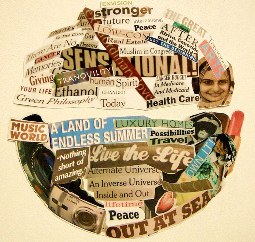



我們一起來看看教科書中不容易見到,而卻又是老美日常生活中最鮮活的語言。


1."我請客":覺得我們常用pay這個詞,如Let me pay it for you。在電影裡常聽到的說法是:I am buying;This is on me;This is all my bill。


2."放輕鬆":我們常用comfortable,或"Don't be nervous." 今天再學一個簡單的片語--"at ease"。ease的形容詞是我們熟悉的「easy」,簡單的意思。"At ease"是叫人放輕鬆。口令裡的「立正」叫做Attention!「稍息」就是"at ease"。叫人"Stay at ease." 就是讓人放輕鬆,不要緊張。


3."最重要的事":你會怎麼說呢?The most important thing嗎?看這個吧:It's on the top of my list。


4."停電":No electricity?其實提到"電",老外更多是用power,停電就可以是There is a power failure或Power goes out、Our power's been cut、We have a blackout。停電還會持續幾天,可以這麼說:The power shortage is gonna last for another couple of days.


5."我不是傻子!":I am not a fool?對。但再看這個I am no fool。比上面的只少兩個字母,但是不是感覺不一樣?同樣的道理,我們常說I have no idea,而不常說I don’t have any idea。


6."自找的、自作自受":我們熟悉的說法是deserve,但在HBO影集特別是法律影集裡,我們經常聽到"He had it coming.",他自找的,他罪有應得。It's too bad he got fired, but he sure had it coming. (他被解職了,但顯然是自我的。)


7."收買某人":有個比較正式的詞叫bribe,當名詞時為"賄賂"的意思,動詞時就有"收買"之意。既然提到了"買",那麼我們能不能用上buy呢?當然,那就是buy somebody off。


8. She knew purple was her color. "她知道紫色是她的顏色?" 更好的說法是:她知道最適合紫色。Then, what's your color?


9."看在主的份上,你就…":兩種說法,其一是For the love of God,另外For God's sake(sake的意思是緣故、關係),後者更常用。


10. 打招呼問人怎麼了,除了What's going on之外,老外也用What gives?相當於「怎麼回事?」、「怎麼了!」、「怎麼一回事啊!」、「發生什麼事了!」、「你好嗎!」,又可打招呼,又可詢問狀況的意思。


訂閱世界公民英文學習電子報


世界公民文中心 發表在 痞客邦 留言(0) 人氣()


Global Battle for the Best Talent

閱讀暖身
全球企業前進新興市場,並積極尋求有能力快速適應不同文化及豐富實務經驗的領導人才,以幫助拓展這類未開發市場。中國企業則力爭上游,積極加入全球市場,並使經營團隊更加全球化,國際人才的快速流動已成全球趨勢。
進入本文前,請想想以下單字:
(A) 駐外人員
(B) 落伍的
(C) 未開發市場
U.S. and European multinational corporations are raising their bets on booming emerging markets. The trick is finding the right executives to play their hands.
歐美跨國企業正加碼投資於活躍的新興市場,而最關鍵之處在於找出最適合的管理人才讓他們大展拳腳。
In rapidly growing countries such as Brazil, China and India, tapping (A)expatriates is becoming (B)obsolete. Instead, global businesses are looking for leaders who have the ability to move easily between different cultures and have deep local roots as well as international operational experience.
跨國企業派遣駐外人員管理像巴西、中國及印度等經濟快速成長地區的作法已逐漸落伍。取而代之是,徵求有能力快速適應不同文化,既有深厚的地緣性,又有國際實務經驗的人才。


more...


世界公民文中心 發表在 痞客邦 留言(0) 人氣()


你有沒有發現,老外和老外之間的談話,聽起來簡單得不得了,但用起來相對難,教室裡、書本上很不容易聽見、看見,但它們才是老外每天在用的日常英語。今天我們來學習一些老外之間在日常生活中常用的social口語。

1.epic 非常好
The last Harry Potter movie was epic. OMG! It was amazing! 《哈利波特7》非常好看!
OMG是英文中的"Oh My God"的縮寫,意思是"我的天哪"。 Epic我們熟悉的意思是「史詩」。但它有另一個口語化的用法,也是「最好」的意思。這種好是已經可納入經典的,比Best還好的好。
2. cool beans 好吧
A: Let's go to see movie! 去看電影吧!
B: Cool beans! 太棒了!
Cool beans就是Cool/Great/Awesome的意思。很口語的表達。
3. It's a toss-up! 不能比!勢均力敵。
A: Both teams are really good! 兩隊都很好!
B: Yep, who is better? 哪一隊更出色?
A: It's a toss-up! 不能比啊!
Toss up原指要做決定的時候,成敗機會各半,很難決定,於是靠拋硬幣、再根據硬幣落地哪一面向上來作決斷。這個拋硬幣的習慣帶來了習慣用語toss-up,它常當名詞用,而且不僅用在運動場合還用在政界,尤其當競爭雙方勢均力敵,誰勝誰負極其難以判斷的時候就會用上這個習慣用語了。
4. facebook you 找你,聯繫你
It was so nice to meet you! I'll facebook you! 非常高興認識你,我會聯繫你的!
Facebook you,是把facebook名詞作動詞用了,就是「我要和你通過facebook交流、交友」的意思。
5. My bad! 對不起
A: You just spilled your coffee on my proposal! 你剛把咖啡灑在我的案子上。
B: Er... my bad. 哦...對不起。


My bad是對很熟的朋友說的,而且發生的事也不是太嚴重,就像不小心踩了腳這類小事。


6. Let's bounce. / I gotta bounce. 走吧!/得走了。
A: Hey Tom - where are you going? The party's just getting started! 湯姆,你要去哪兒,派對要開始了。
B: Ah, sorry dude, I gotta bounce. I'm on an early shift tomorrow. 抱歉,我要走了呢,我明天早班。
Bounce原來的意思是彈、跳的意思。股市反彈就用bounce back。在俚語上,它當作離開,美國人和英國人都愛用。
7. hit me up 跟我聯繫
Hit me up if you wanna go shopping. 如果你想逛街,隨時聯繫我。
Hit Me Up(把我敲醒),就是口語中的「請聯繫我」的意思。有人會簡寫成「HMU」。


more... 


世界公民文中心 發表在 痞客邦 留言(1) 人氣()


2012 World café 主題票選大賞


世界公民文化中心舉辦的World Café討論過什麼主題?
Environmental protection experiences,
Embrace Our Differences,
Looking for 1001 World Representative for Taiwan,
Does Hollywood have any influence on society?


現在,我們需要fresh idea!
世界公民新竹分部邀請您一同腦力激盪更新的點子,
票選前三名將可獲得1張價值2000元的Coupon
並可參加新竹分部任何活動或團體課程!


徵件時間:即日起至6/22
投票時間:6/25-7/9(投票方式將另行公告)
公布當選主題:7/10


現在就投稿:寫信至schedule_hc@core-corner.com
洽詢(03)578-2199、(03)578-0799


世界公民文中心 發表在 痞客邦 留言(0) 人氣()


/Jessie湯(世界公民文化中心) 
"Treat everyone you meet as though they are the most important person you'll meet that day." -- Roger Dawson
羅傑道森(Roger Dawson),有全美首席談判家之稱(America's Premier Business Negotiator)。他最富傳奇色彩的談判是讓伊拉克總統海珊釋放人質。1991年的一個夜晚,道森接到一通電話,打電話的人說兄弟被海珊扣為人質:「不管花多少錢都可以,只要贖回兄弟」。道森說:「一分贖金都不必」。 


緊接著,道森在伊拉克鄰近的約旦採訪海珊。海珊在電視上滔滔不絕演講兩小時,隨後釋放人質。人們問道森,怎麼辦到的,他說過程很複雜,簡單地說:在談判的過程中要掌握一切可用資訊,快速做出回應。


羅傑道森是美國前總統柯林頓的首席談判顧問,在八年顧問生涯中,他歷經美國總統大選、以巴和談、巴爾幹衝突、柯林頓性醜聞、美國總統彈劾案等重大事件。儘管道森處理的多半是詭譎的國際談判或企業的商業談判,但他認為,人人都該學習談判,談判無處不在。家庭生活、人際交往、生意往來等等各個層面基本上都存在談判空間。就算是「不談判」也是「談判」的一種方法。如果有人賣一斤三百元的蘋果給你,而你掉頭就走不和他談判,你認為會是什麼結果?如果你看電視時,先生手拿遙控器問你:我可以轉台嗎?而你選擇不回答,你認為會是什麼結果?


1992
年,道森獲選進入美國演說家協會名人堂(United States Association Hall of Fame speech),這個協會進入門檻高,連柯林頓曾經兩度申請失敗。道森的演講以分鐘計價,每一場價碼約80萬美金。儘管擁有諸多頭銜,道森說自己人生最得意的時刻不是身處「能左右世界政治格局」的總統團隊,也不是坐享企業家的名利雙收;而是幫助美國上萬家企業培養了銷售主管和商務談判高手。


身為一流的談判高手,道森可不把在談判桌上取得己方最大優惠條件當成談判目標。他倡議的談判理念,是創造「雙贏」(
win-win)的局勢。


也許有人會對追求「雙贏」的想法嗤之以鼻Let’s face it. We live in a dog-eat-dog world. When you’re sitting down in a negotiation, if the other side is buying, they want the lowest price and you want the highest price; if they’re selling, they want the highest price and you want the lowest. They want to take money out of your pocket and put it right into theirs. How on earth can we both win?


事實上,「雙贏」的意思絶非像切西瓜一樣,兩邊各得百分之五十,而是在理解兩方各自在乎的東西是什麼,各取所需,共同創造出雙贏的「感覺」,使兩方從談判桌上起身離去時,都分別覺得自己是個贏家。


Winning is a perception, and by constantly servicing the perception that the other person is winning, you can convince him that he has won without having to make any concessions.


People are not out for the same thing! 我們經常假設別人和我們要的是同一樣東西,直覺認為對我們很重要的東西,對方一定也會認為重要,其實則不然。


羅傑道森聰明談判者的五大要領


Basic Principles Make You a Smarter Negotiator


  1. Get the Other Side to Commit First (讓對手先出招)
    Power Negotiators know that you're usually better off if you can get the other side to commit to a position first…. The less you know about the other side or the proposition that you're negotiating, the more important the principle of not going first becomes.
     

  2. Act Dumb, Not Smart (裝笨,不要裝聰明)
    To Power Negotiators, smart is dumb and dumb is smart. When you are negotiating, you're better off acting as if you know less than everybody else does, not more. 
     

  3. Think in Real Money Terms but Talk Funny Money(心裡想真錢,嘴上繞著彎說)
    There are all kinds of ways of describing the price of something. If you went to the Boeing Aircraft Company and asked them what it costs to fly a 747 coast to coast, they wouldn't tell you "Fifty-two thousand dollars." They would tell you eleven cents per passenger mile.
     

  4. Concentrate on the Issues (絕對專注)
    Power Negotiators know that they should always concentrate on the issues and not be distracted by the actions of the other negotiators. Have you ever watched tennis on television and seen a highly emotional star like John McEnroe jumping up and down at the other end of the court. You wonder to yourself, "How on Earth can anybody play tennis against somebody like that? It's such a game of concentration, it doesn't seem fair."
     

  5. Always Congratulate The Other Side (永遠讓對方覺得他贏了)
    When you're through negotiating, you should always congratulate the other side. However poorly you think the other person may have done in the negotiations, congratulate them. Say, "Wow! You did a fantastic job negotiating that. I realize that I didn't get as good a deal as I could have done, but frankly, it was worth it because I learned so much about negotiating. You were brilliant." You want the other person to feel that he or she won in the negotiations.
    If you let these five principles guide your conduct when you're negotiating, they will serve you well and help you become a Power Negotiator.


以下這些句子可是談判最常用的,多唸幾次,牢記了就能在談判中脫口而出:


  1. I know I can count on you. 我知道我可以相信你。(拉近距離)

  2. We'll come out from this meeting as winners. 這次會談的結果將是一個雙贏。

  3. Not in the long run. 從長遠來說並不是這樣。(這句話很實用,沒有否決,但其實在找一個更好的solution。)

  4. Let me explain to you why. 讓我給你解釋一下原因。(很好的轉折,掙取一點空間。)

  5. Let's compromise. 讓我們還是各退一步吧。(接下來講的話不一定是退一步,而是先讓對方鬆一口氣。)

  6. It depends on what you want. 那要視您的需要而定。(不一定現在就給答案。)

  7. That will eat up a lot of time. 那會耗費很多時間。

  8. The longer we wait, the less likely we will come up with anything. 時間拖得越久,機會就越少。(勸對方縮短時間)

  9. Are you negotiable? 你還有商量的餘地嗎?(直接切重點)

  10. We can work out the details next time. 我們可以下次再來解決細節問題。(談定就談定,不要膠著在細節)


 一對一,你需要的是方法!


世界公民文中心 發表在 痞客邦 留言(0) 人氣()


這幾個字看來都簡單得不得了,但脫口而出的時候,有世界公民學生說,一時無從選擇,一起來看看,如何正確使用Excuse me、I'm sorry 和I beg your pardon。
1. Excuse me、I'm sorry和I beg your pardon都有"對不起"、"請原諒"等意思,但用法有別。Excuse me和Sorry最大的差別是,Excuse me通常在說或做可能令人不悅的事情之前使用;而Sorry是造成別人不便之後,表示歉意。


  • Excuse me, does this bus go to the train station? 不好意思,請問這輛汽車到火車站嗎?

  • Excuse me, could I get past? 對不起,可以借過嗎?

  • Excuse me, do you have the time? 對不起,現在幾點?
    另外可以用please來加強語氣,例如:

  • Excuse me please, I need to get off. 對不起(讓一下),我要下車。
    如果自己身旁有人,向人問路、借過,就用excuse us。


2. I'm sorry常用來表示自己犯了某種過失,也可以表示"遺憾",如對別人的不幸有所表示,或不能滿足對方的要求等。I'm sorry for giving you so much trouble. 對不起,給你添了這麼多麻煩。


  • I'm sorry I didn't do the work well. 很遺憾,我沒把工作做好。

  • Sorry, you can't come in. 對不起(很抱歉),你不能進來。


3. I beg your pardon可用於(正式場合):①做錯事道歉;②談話中提出異議以前;③沒聽清對方的話,希望他重複一遍時(可說Beg pardon或 Par-don,可用問號,說時用升調);④(以不友好的語氣說)不相信對方的話是真實的;例如:


  • I beg your pardon for coming late. 請原諒,我來遲了。

  • I beg your pardon.(I beg pardon)Is this your bag?打擾了,請問這是你的包嗎?

  • I beg your pardon but that is my coat. 對不起,可那是我的外套呀。

  • A: The answer is B.答案是 B。
    B: I beg your pardon. 對不起,請再說一遍好嗎?


《特別補充說明 》Sorry和Excuse me的使用上,英國人和美國人有點小區別:
英國人很喜歡用Sorry,所以有時他們會用Sorry代替Excuse me.
例如:I'm sorry, but do you think you could move your car? 而美語偶爾也聽人用Excuse me表示Sorry的意思,例如:Excuse me, I didn't see you there.


熟到老外都覺得你英文好,加入量身訂做的1on1 program


世界公民文中心 發表在 痞客邦 留言(0) 人氣()


The Prosperity and Decline in 126 Years- Avon
閱讀暖身:
擁有126年悠久歷史的美國老牌化妝品直銷商雅芳,因涉嫌違反海外行賄,遭到美國司法部提起長達3年的調查期,最新公布財報數字不佳,評級機構也不看好雅芳經營前景,雅芳首位華裔女性執行長鍾彬嫻2011年交出執行長職務,並找來嬌生前任副總Sherilyn McCoy進行業務重整,而近期法國香水廠商 Coty 展現收購的企圖心,成為McCoy上任後的第一個挑戰。
進入本文前,請想想以下單字:
(A) 傳喚
(B) 改造
(C) 受挫
The CEO and chairman of Avon Products, Andrea Jung was fielding questions during the company's third-quarter earnings call from a pack of frustrated analysts -- and they weren't holding back. The company had surprised the Street, missing analysts' estimates, and reporting that it would no longer hit its revenue-growth and operating-margin targets for 2011.
在眾多分析師提出第3季獲利預警的期間,時任雅芳董事長暨執行長巧妙地回答了各個問題,卻無法停止分析師們對雅芳的悲觀猜測。這間公司震撼了整個華爾街,其財報無法達到預期,並且無力達成2011年獲利成長及毛利率目標。
A day before the October 2011 call, the Securities and Exchange Commission had (A) subpoenaed Avon for information related to whether the company had improperly shared information with analysts -- on top of an SEC inquiry into allegations of bribery by employees in China and elsewhere. On the call Citigroup's Wendy Nicholson said, "It strikes me that you guys are so totally screwed up in so many ways, the change has to be radical."
就在2011年10月法說會的前一天,美國證監會傳喚雅芳,到案說明其不當提供分析師資訊之因;除此之外雅芳也遭證監會提起調查有關行賄中國及其他國家高層的各項事證。就在法說會上,花旗集團 Wendy Nicholson表示:「這件事讓我明白,你們已搞砸很多事情,公司的改變必須徹頭徹尾進行。」
Avon is indeed undergoing a radical (B)makeover: In early April the company announced it was replacing Jung as CEO with Sherilyn McCoy, a Johnson & Johnson vice chairman. McCoy, 53, inherits a 126-year-old company in disarray.


more...


世界公民文中心 發表在 痞客邦 留言(0) 人氣()


文/Wendy周(世界民文化中心)


我在美國待了好幾年,體驗了道地的夜店文化,回台灣才發現兩地的夜生活很不一樣,有不少細節上的差異:


Bar純粹是喝酒,通常不會有舞池,club才是去喝酒和跳舞的地方。進去前有三件事要注意:一是別忘了帶ID(證明身份的證件、護照);二是dress code,男生一定不能穿拖鞋,較高級的bar還會要求要穿襯衫或休閒西裝外套;第三,很多地方需入場費(cover),除非你在list上。又怎麼讓名字在名單裡呢?去他們的官網,輸入名字就可以了。


女生去bar,有男生上前聊天不一定是要搭訕,可能只是想多認識朋友,相談甚歡下,男生會問 "Can I buy you a drink?"就是想請你喝杯酒,如果覺得不自在,可以明白的說"No, thank you."。很多美國人去bar/club除了喝酒外,常利用這樣的場所當"networking",就是建立人際關係管道,可能會因此認識到同領域,或將來要轉換跑道時有幫助的人。


另外,當地人習慣用credit card(信用卡)或debit card(visa金融卡),有些會把卡片交給bartender,說"keep it open",就是你要繼續點,還不結帳。點下一杯可說"put it on my tab",意思是放在我的帳上,直到要結算時再刷總額。


我發現,很多人到國外夜店就不知該點什麼好,以下是一些外國人常點的酒:Cranberry and vodka蔓越莓汁加伏特加、Red bull and vodka提神飲料加伏特加、Rum coke萊姆酒加可樂、Scotch(whiskey) on the rock只加冰塊的威士忌(只要是on the rocks都代表純的酒加冰塊)、Red wine紅酒(又分Cabernet或Merlot)、White wine白酒。較受女性歡迎的調酒是:Cosmopolitan柯夢波丹、Martini馬丁尼、Margarita瑪格莉特、Long Island長島冰茶(不建議不常喝酒的人試,它喝起來不覺得濃,但其實是很多種酒混成的)。男生常點啤酒,可直接以名稱來叫,如:Corona、Budweiser、Heineken...等。


如果你有機會到美國,可以嘗試感受這種融合不同種族、語言、文化的氛圍,像是看見一個世界縮影,也打開自己的眼界。
(本文同步刊於2012/4/28週六工商時報英文館世界公民weekly專欄)


一對一,你需要的是方法!


世界公民文中心 發表在 痞客邦 留言(0) 人氣()

Blog Stats
⚠️

成人內容提醒

本部落格內容僅限年滿十八歲者瀏覽。
若您未滿十八歲,請立即離開。

已滿十八歲者,亦請勿將內容提供給未成年人士。