學英文的人大抵要經歷兩個過程,由簡入繁,再由繁入簡,高明的境界是用最簡單的語言把一件事情說清楚。今天介紹的這〸個句子都是很簡單的句子,也都是你認得的字,但一開口說出來,立辨高下。I got loads out of it.
我從中學到了很多東西。Let's push it back to next week.
咱們把(會議)延遲到下周吧。Can I pick your brains for a second?
能否請你借一下你的腦袋?Can you give me a few points?
能否給一些建議?I'd love to be my own boss.
我也想自己當老闆。You're cutting it a bit fine, aren't you?
你把時間卡得太緊了吧?I've double-booked myself.
我重覆安排行程了。That figures.
怪不得。(原來如此)If you need my help, do let me know. Just remember I am a phone call away.
你需要幫忙一定得告訴我,不就一通電話嗎。I am at your service at any time.
隨時為您服務。字用對了,英文就活了!進步最快的辦法是加入世界公民1on1 programà 登記甄選
世界公民文中心 發表在
痞客邦
留言(0)
人氣()
文/Lily彭
不要以為只要聽懂每一個單字,就算聽懂了一段英文了。人講英文的時候,一定會有一些語調上的變化,不同的語調傳達出各種不同的情緒:懷疑、肯定、激動、傷心、憤怒、感歎……不同的情感變化。
常見的例子是,你沒聽清楚別人的講話,要對方再重複一次,就要說“升調”的I beg your pardon(↗)。但是如果“你不小心踩到別人”,就要用到“降凋”的I beg your pardon(↘)。看來同樣的一句話,由於“語調”的不同,意思也就有所差別。
語調(intonation),就是說話的腔調,講話時候的抑揚頓挫。世界上沒有一種語言是用單一的聲調說出的,英語有五種基本語調:升調、降調、升降調、降升調以及平調。每一句話都有字的意思,和語調的意義,兩者加起來才能完整傳達的意義。同樣的句子,語調不同,意思就會不同,有時甚至會相差〸萬八千里。語調造成的變化,今天和我們一起做題目,看看有哪些新發現。
A:Can you bring me the book?
B:Sorry?(↗)
B用升調說“Sorry” ,其意思是“I didn't hear you. Could you say that again, please?”
A:Can you bring me the newspaper?
B:Sorry. (↘)
B用降調說“Sorry”,表示拒絕。
單一音節的語調並不重要,重要的是它與另外一個的相對高度。每一句話中的語調波峰一般都是句重音所在。通過一句話中的語調波峰所在,我們就可以瞭解說話人的意思。如人們讀“I work for the company. ”這句話時,由於強調的重點不同,語調也就隨之發生了變化。比較看看:
I(↗)work for the company. (暗示在場的其他人不是在這家公司工作)
I work for(↗)the company. (表示我是在這裡”工作”,暗示著我可不是來玩的)因此,對下面的對話所提問的問題進行選擇時,就不難回答了。
M:Mary looked very tired these days.
W:She looked OK to me(↗).
Q:What does the woman think of Mary?
〔A〕She saw Mary and me.
〔B〕Mary said she was fine.
〔C〕She looked up the word for me.
〔D〕She considered Mary was all right.
答案(D),這句話裡的句重音碰巧落在句子的最後一個字“me”上。女士以升調重讀“me”,意思是她不贊成男士意見:你覺得她累,可在我看來,她沒什麼問題。
疑問詞像who,which,what,how,when,where,why可以用降調也可以用升調,但含義不同。如:
A:Mr. Johnson thinks we ought to give a proposal first.
B:Who?(↗)
A:Mr. Johnson
B 用升調說“Who”,表示聽不清談話,要求對方重複。
A:We'd like to have someone to say a word at the beginning to welcome the guests.
B:Who?(↘)
A:We thought that you or Dr. Dan might do it.
B 用降調說“Who”,是問,那你覺得誰適合?
附加疑問句可以讀升調也可以讀降調,意思不同。降調是要只等對方證實。升調表示對內容的真實性沒有把握,要對方自己判斷。如:
A:You will finish the work, won't you?(↘)
B:Yes, I will.
A 用降調提問,是再確認,我知道你會完成,但口頭上再確認一下,安心些。
A:You will finish the work, won't you?(↗)
B:No, I won't. ( 或Yes, I will.)
A用升調提問,表示A也沒把握,因此,得到的回答既可能是肯定的,也可能是否定的。
語調可以反應談話人的互動性。如:
A:Are you Mr. Lin?
B:Yes.(↘)
A:Here you go.
此例中,B用降調說“Yes”,表示B的認可,這是一個封閉式的回答,這表明如果A 沒有新的問題要問或新的資訊要告知,也許他們的對話就可以結束了。
A:Are you Mr. Lin?
B:Yes?(↗)
A:Ah, you have a message.
有些疑問句讀作降調,實際上表示感歎。如:Isn't she pretty!(↘)這句話實則表示:她多美啊!請看下面的實例:
M:Wasn't Sue's speech great!(↘)
W:Are you serious?
Q:What does the man say about Sue's speech?
〔A〕Sue's speech wasn't great, was it?
〔B〕Sue's speech was great, wasn't it?
〔C〕Sue gave a serious speech.
〔D〕Sue was not serious.
答案是B。有時候問句並沒有期待有答案,相當於直述句,但別有意味。如:
M:Do you think Patty is qualified to do the job?
W:If Patty y is not, who is?(↗)
Q:What does the woman mean?(C)
〔A〕Patty is not qualified for the job.
〔B〕Nobody is qualified for the job.
〔C〕Patty is well qualified for the job.
〔D〕All except Patty are qualified for the job.
對語調的感知能力和反應能力經常也靠直覺,太分析的角度去看反而複雜,假如記不起來,就感覺它,在交談的語氣裡揣摩,〸之八九,你會答對。
字用對了,英文就活了!進步最快的辦法是加入世界公民1on1 programà 登記甄選
世界公民文中心 發表在
痞客邦
留言(0)
人氣()
文/Jessie湯
See the Jungle from Where You Are, and See the World from the Jungle
“Change happens by listening and then starting a dialogue with the people who are doing something you don't believe is right." – Jane Goodall
在26歲芳華正盛時,珍古德(Jane Goodall)開始致力於黑猩猩(chimpanzee)的行為研究;半個世紀過去了,今年高齡76的珍古德,於9月初第〸三度造訪台灣,慶祝非洲岡貝(Gombe)研究的50周年,也再度提醒台灣的人民,從大自然的眼光中,重新檢視自己的生存行為與態度。
不像現在大多數人都意識到生態保育的重要性,1960年珍古德踏進岡貝森林時,卻是抱著「雖千萬人吾往矣」的心情,堅毅而孤單地展開長達50年關於黑猩猩的野外研究,也因為珍古德的研究,糾正了學術界對黑猩猩這一物種長期以來的錯誤認識,之後,她長期致力於環境慈善事業,帶給人類如何與動物和諧共存的全新視野。
《華盛頓郵報》(The Washington Post)在日前回顧珍古德的成就,如此介紹她:
Primatologist Jane Goodall began her groundbreaking research into chimpanzee behavior on July 14, 1960: 50 years ago tomorrow. She was a 26-year-old with no scientific experience or college degree. British authorities balked at(畏怯/猶豫)the idea of having Goodall stay alone in the wilderness around Lake Tanganyika(坦葛尼喀湖), in what is now Tanzania(坦尚尼亞), so her mother went with her.
During Goodall's six-month sojourn in the Gombe Stream Chimpanzee Reserve, now Gombe National Park, Goodall saw a chimp strip leaves off twigs to fashion tools for fishing termites from a nest. Until then, scientists thought that humans were the only creatures that created and used tools. This was just the first of many Goodall discoveries that have redefined the relationship between humans and other animals.
即使是在今日地球村,女性獨立意識抬頭,卻也鮮少聽說有女性隻身前往非洲森林探險,因此,50年前,珍古德的這趟旅程可以說是標新立異的創舉,也是極具危險度的一種挑戰-因為,雖然當時動物學家及人類學家都知道,黑猩猩和人類在生物學意義上有近親關係(Chimpanzees share 98.4% DNA with humans, which makes them closer to humans than gorillas.),瞭解黑猩猩的生活方式,可能有助於理解石器時代人類祖先如何生活,但黑猩猩遠比人類要強壯得多,研究牠們是件非常艱辛且危險的事,需要耐心與全力以赴。
不過,對從小就熱愛動物的珍來說,這趟旅程是在圓一個認識環境、理解生命的夢。
“There was one occasion I can never forget. I had followed a chimp deep into the forest. He stopped to rest, and as I sat near him I saw a ripe palm nut and held it toward him on the palm of my hand. He turned his head away. I held my hand closer and then he turned back, looked directly into my eyes, took the nut, dropped it and very gently pressed my fingers with his in a gesture of reassurance. We each understood the other, bridging our two worlds, communicating with gestures that had probably been used by our common ancestor six million years ago.”
從學者的理性研究角度,珍歸納出黑猩猩的行為模式與人類有許多相像之處:They hunt, sometimes engage in cannibalism, make war on each other, adopt orphans, and drum on tree roots and wave branches in ritual-like displays. Some chimps are cunning politicians; others seem devoted to their families.
“They kiss, embrace, hold hands, pat one another on the back, swagger, shake their fists, and throw rocks in the same context that we do these things. There are strong bonds of affection and support between family members. They help each other. And they have violent and brutal aggression, even a kind of primitive war. In all these ways, they’re very like us.”
而從一個熱愛生命的人文關懷者角度,珍教導世人用更同理的眼光,看待不同於己身的生命:
“When I first went to Cambridge University in England,…I was completely horrified to find that the professors and my fellow students were very disapproving of the fact that I had given the chimpanzees names, talked about them having personalities, and described how their minds worked and how they solved simple problems. Above all, they were horrified that I ascribed emotions like happiness, sadness, fear, despair, and grief to the chimpanzees.”
“All these things were uniquely human and not to be talked about in relation to any kind of non-human animal. Fortunately, by that time I was 26, and all through my childhood I had a wonderful teacher about animal behavior - my dog Rusty. He taught me that animals have personalities, minds, and feelings.”
“Gradually since that time in 1960, attitudes towards animals have softened in scientific communities, so we now have students who are studying animal minds. We have students studying animal emotions. And we even have people who are trying to work out ways of coming to grips with animals' personalities, so it's changed, but it still has some way to go.”
諷刺的是,當人類自認為是「萬物之靈」,站在主宰者的高位,人類讓自己持續生存下來的能力卻不見得比動物們高明。珍古德在接受訪問時,感嘆地說:
“In some ways we’re not successful at all. We’re destroying our home. That’s not a bit successful. Chimpanzees, gorillas, orangutans have been living for hundreds of thousands of years in their forest, living fantastic lives, never overpopulating, never destroying the forest. I would say that they have been in a way more successful than us as far as being in harmony with the environment.”
也因此,現在的珍古德,每年僅有兩次短暫停留於岡貝,而把大多數時間留給年輕人,四處演講呼籲環境保育的重要。當被問及為什麼不繼續留在森林裡做研究,珍古德的回答是:
“Gombe, with its chimpanzees and baboons, its forests and birds, lizards and butterflies, is my spiritual refuge. Lying under a great tree, looking up at the tiny stars whose light shines down through the rustling leaves, or lying on the beach and gazing up at the moon, puts everything in perspective, gives meaning to my life. Gives me the strength to leave the peace and go back on the road. Sometimes we must leave what we love to save it—and so I stay on the road, raising awareness and support, always thinking of Gombe.”
“I could kill myself trying to save chimps and forests, but if children don't grow up to be better stewards of the environment than we are, then what's the point?”
本篇同步刊於9/18工商時報”世界公民weekly”專欄。
歡迎免費訂閱英語學習電子報:http://www.core-corner.com/Web2/index.php?stat=EpaperReg&Type=UDN_epaper
世界公民文中心 發表在
痞客邦
留言(0)
人氣()
Fast這個字大家都會念,也知道是什麼意思。可是,在很多英文習慣用語中,fast卻並不一定表示"快速"。能夠延伸字的意思,熟悉它的第二個、第三個意思,你的英文聽起來就會很自然,不像翻譯式的英文。一起來讀fast這個字的延伸意思。
1. Life in the fast lane 競爭激烈、忙碌而快節奏的生活方式。
生活每天都像在高速公路上開車一樣,是不是很忙?life in the fast line就是比喻"快節奏的,競爭激烈的、馬不停蹄的生活"。
例句:Tom is a hotel manager. He works 60 hours a week, but he's always flying to Hong Kong, Tokyo or New York and enjoys life in the fast lane.
湯姆是飯店經理,每周已經工作六〸小時了,但他還是喜歡搭飛機到香港、東京、紐約,享受忙碌的生活。
2. Go nowhere fast 毫無進展
Go nowhere意思是"哪兒都不去"。而fast這個詞的意思是"快"。Go nowhere fast是很努力做一件事,卻毫無進展。哪裡都快不了。
例句:I've been working on this problem all evening and I'm going nowhere fast! Could you help me out? 我整晚上都在絞盡腦汁地解決這問題,卻毫無進展,你幫幫我好嗎?
3. To play fast and loose 不負責任、靠不住
Loose本來的意思是鬆散,引申為:輕率的,不在意的。要是說一個人play fast and loose,那這個人就是不負責任的,靠不住的。To play fast and loose常用來形容人對感情的態度。比如說,談戀愛的一方對對方並不〸分真誠,而只是想利用對方,就可以說是to play fast and loose。
例句:This reporter is known for playing fast and loose with the facts. 這名記者是出了名的罔顧事實。
4. Hard and fast 嚴格的規矩、規則
Fast除了快之外,還有一層意思是停在一個地方動不了。那麼hard(嚴格的)跟fast(不可動搖的)兩個字放在一起,可想而知是多麼嚴格的規則了。
例句:In our office building there is a hard and fast rule against smoking. 我們辦公室嚴禁吸煙。字用對了,英文就活了!進步最快的辦法是加入世界公民1on1 programà 登記甄選
世界公民文中心 發表在
痞客邦
留言(0)
人氣()
1.There are friends and friends.
錯誤:有很多朋友和朋友。
答案:有真朋友,也有一般的朋友。
提供的例句是:There is coffee and coffee 。(咖啡有這種那種之分。)如果有人請你喝咖啡,你覺得他的咖啡特別好(或特別差),而你嘗過完全不同的咖啡,你便可以用這句英文。又如:There are books and books.(書跟書不一樣。)There are ways and ways of doing it 。
2.Time and tide wait for no man.
錯誤:時光與潮流都不等人。
正確:時光如同潮流一樣不等人。歲月不饒人
3.His mother died of difficult labor.
錯誤:他的母親死於工作勞累。
正確:他母親死於難產。
這一句中labor的意思是“分娩,生產”,difficult labor的意思是“難產”。又如:First labor is often slow.(第一次生產的過程往往比較慢。)而“苦工”、“累活”的英文是hard labor。一般而言,英語單詞的詞義往往比較靈活,意思經常取決於上下文,在不同的語境裡,labor一詞的解法可以大不一樣。如:
He soon learned to do a new labor. 他很快學會了一個新的職能。
At last I woke him after much labor. 我費了好大大氣終於將他叫醒。
4.Many people sleep late at weekends
錯誤:很多周末晚睡。
正確:週末很多人睡懶覺。
此錯譯在沒有弄懂Sleep的真正含義,而將其等同於中文的“睡覺”。英語的動詞有短暫動詞和持續動詞之分,分別表示短暫的動作和持續的動作(或狀態)。Sleep是一個典型的持續動詞,表示“在睡覺”。而中文的“睡(覺)”既可以表示短暫動作“上床睡覺”之意,也可以表示“在睡覺”的持續動作之意。所以原句的意思實際上是說“許多人睡覺一直睡到很晚。如果是晚上很晚才上床睡覺,英文應該說stay up late。
5.It's a good father that knows his son.
錯誤1:知道自己兒子的父親是個好父親。錯誤2:知子莫如父。
正確:再好的父親也未必瞭解自己的兒子。
很多人覺得這類說法很干擾,好就好,不好就不好,為什麼要這麼拐彎抹角?想想中文,不是也有,我好容易完成了這份報告,意思其實是好不容易。這裡的good father(好父親)是一種理想的境界。從意義上說,應該理解為“要是有這樣一個父親,即真正瞭解自己兒子的父親,那有多好”,言外之意是“可惜沒有這樣的父親。這個句型常見,類似的句子很多舉例如下:
It's a good horse that never stumbles. 好馬也有失蹄時。
It's an ill bird that fouls its own nest. 再糟糕的鳥也不會弄髒自己的窩。(有家醜不可外揚之意。)
It's a good machine that works without power. 無論機器怎麼好,沒有電就開不了。
It's a long lane that has no turning. 再長的巷子也會有拐彎的。(意為否極泰來。)字用對了,英文就活了!進步最快的辦法是加入世界公民1on1 programà 登記甄選
世界公民文中心 發表在
痞客邦
留言(0)
人氣()

明天(六)工商時報"世界公民weekly"精彩內容如下,千誤別錯過!
世界公民文中心 發表在
痞客邦
留言(0)
人氣()
英文有一個有趣的詞彙,叫做“Yes Syndrome”--Yes症候群。就是說,當別人對你說話時,不管問的是wh-疑問句或是yes-no疑問句,而你回答的卻是”Yes”。以下出自一部肥皂劇:
A: Would you like some coffee or tea?
B: Yes.
A: Did you hear what I say?
B: Yes.
A: Then what should you respond me?
B: Yes. 你看這人有多無趣!Yes,是英語交談最大的殺手;它是最敷衍的一句應答,因為講yes不一定是贊同。(假如你說個no也許還會有一番爭辯。)真正同意別人的說法,有很多,像exactly、absolutely、indeed、sure、indeed等等自然貼切的表達。一位外籍顧問對我說,他在與亞洲交談最無奈的就是很多人總是用“one syllable”,也就是yes或no,單音節來回答,一個字就讓愉快的談話中斷。其實聽不懂也沒關係,這裡提供幾個策略,很有效的!
策略 1:Beg your pardon? 或Pardon?
以英文為母語的老外之間,也經常這樣問對方,聽不清楚很正常,不必忌諱問。
策略 2:What....
如果你只聽懂一部分,那你就要求對方重複沒有聽懂的部分。常用的方法是:重複你聽到的,用What來代替你沒聽到的部分。
A: Do you want a job or a business?
B: A job or what?
沒有yes症候群,也很可能錯用yes,造成誤解。好幾次,我聽到老外問學生:“You don't want any coffee?” 學生說“Yes” 。老外就以為對方要咖啡,結果造成誤解。中文意思的:「是的,我不要」,yes,是指我同意你的敘述。老外腸子一根通到底,沒那麼迂迴,要就是yes,不要就no。
策略 1:不管別人怎麼問,不要/不必,就說No。
A: You don't need to work tomorrow, do you? (你明天不上班吧?)
B: No, I don't. (是的,我不上班。)
(不要說“Yes, I don't. ” 和“No, I do” 這樣回答會讓人一頭霧水。)
策略 2:No有時也用來表同意!
A: How can she treat me like a fool? I cannot stand it anymore.
B: No, you are not!
(這時用yes就糗了。在某些語境下,”No”用來表示同意對方的意見。)
策略 3:真的搞不清楚就避免用yes/No
A: You don't think it is a good choice for me, do you?
B: I think it is a good choice for you.
(如果無法確定該用Yes或no就避開Yes或no。)字用對了,英文就活了!進步最快的辦法是加入世界公民1on1 programà 登記甄選
世界公民文中心 發表在
痞客邦
留言(0)
人氣()
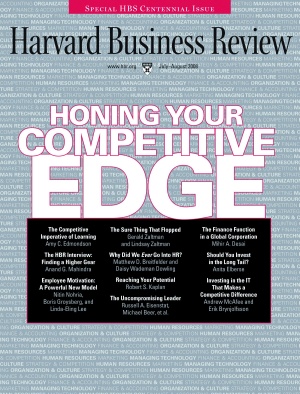
世界公民文中心推出的四組為台灣高階經人精心打造的Specialty Club-
【華爾街日報Club】
【商業周刊Club】
【哈佛商業評論Club】
【紐約時報Club】
參與者必須能說3分鐘英文(除了能自我介紹,
還能討論簡單的current issue或strategy),
一年100小時四〸堂課,每班人數限制8-12人,以辯論 、分析、小組討論、商業簡報、角色扮演,各種商業互動型式,打開你的英文細胞、挑戰你的商業IQ,保證一年後的你,英文好到從暢談全球市場到個案討論,從討價還價到和老外buddy buddy.....
你會驚訝:哇!原來英文學習和商業磨練,是同一回事!
限額徵求20名商業精英,報名甄選請上網網址www.core-corner.com 點選華爾街日報College與specialty Club課程,或電洽(台北)02-27215033、(新竹)03-5721099
世界公民文中心 發表在
痞客邦
留言(0)
人氣()
又到了禮拜五的預告時間!
每週六工商時報"世界公民Weekly"都會介紹一位世界觀啟蒙者,本週(9/4)主角是《富爸爸窮爸爸》作者:羅伯特清崎,他提出的致富觀念徹底顛覆世人習以為常的想法。有錢人真的和你想的不一樣阿!除了羅伯特清崎,還有其它精彩內容:l 世界之窗:看一篇文章熟悉慣用語句:Are you a good employee?l 新聞英語:回顧菲律賓劫持事件。l 英語島:
(1)練習道地英語:講道地的英文真的不難,每天熟一句,想像一個情境,把它用出來才算真的學會了。
(2)熟悉英文字的第二個意思:英文難在哪裡?難在英文字有好多個意思,而我們經常只會用它的第一個意思。來看Plug不只是塞子的其他意境!l Debug:你也會講彆扭的中式英文嗎,來揪錯吧!明天記得買一份工商時報來練英文!同時:
歡迎加入世界公民weekly俱樂部!
世界公民文中心 發表在
痞客邦
留言(0)
人氣()
Find和find out, discover和invent都很接近「找到、發現」的意思,今天我們來看看它們究竟有什麼分別?怎麼使用?
Find強調在經過「尋找」(look for)後“找的結果”(找到或找不到)。如:I can't find my key.(我找不到我的鑰匙)。He found a business card in the drawer(他在抽屜找到一張名片)。
指「偶然發現」或「認為」,也find,例如:
(1)I found a watch on the road.(我在路上發現一只手錶)
(2)He found the exercise simple.(他認為那練習很簡單)指「發現」或「查明」,find和find out可以通用,但find out帶有「花了很大力氣才發現」,搞清楚、弄明白的意思,後面如果接what/where/why/how等句子,多半用find out 帶出。還有,find一定要加受詞,find out則不必,例如:
(1)Scientists are trying to find out / find the cause of the disease.(科學家正設法找出病因)
(2)Can you find out / find what he is going to do?(你可以看看他要怎麼做嗎)
(3)If he finds out, he will be mad with me.(要是他發現,一定會對我發脾氣)
(4)Please find out what time the delegation will come.(請查一查代表團什麼時候來)
discover意為「發現」,表示「偶然」或「經過努力」發現客觀存在的事物、真理或錯誤。
(1)Columbus discovered America in1492.(哥倫布1492年發現了美洲)
(2)We finally discovered the truth.(我們總算弄清了真相)
invent意為「發明」,指透過聰明才智「發明/創造」出以前從未存在過的新事物。
(1)Who invented the telephone?(是誰發明電話的)
(2)He invented a new teaching method.(他發明了一種新的教學方法)
[小試身手] 先不要看答案喔!
1.Edison ____ the electric lamp.
2.I lost my necklace last night.I haven’t ____ it.
3.Who ____ America first?
4.Can you ____ what time the train leaves?
ANSWER:
1.invented 2.found 3.discovered 4.find out字用對了,英文就活了!進步最快的辦法是加入世界公民1on1 programà 登記甄選
世界公民文中心 發表在
痞客邦
留言(0)
人氣()
很多世界公民文化中心的學員都說,學英文學久了,感覺最困難的地方就是介系詞,為什麼房間的門用the door of the room,門的鑰匙卻是the key to the door?規則到底在哪裡?
規則在「感覺」,不在「文法」。每一種語言都有一種自然演進的規律,這種規律,與其記規則,不如感受它。現在一起來看看不同的介系詞給人的感受:
to--的感覺是"朝著目標而去"(目標明確,就一定會到)
例:Give the book to me. (把那本書交給我)
"給(give)"這個動作必須要作用在"me"身上才算完成,所以用"to"。It is good to me.--這東西"針對我個人(目標)"不錯。
例:I went to the USA.(我到美國去。)
去(went)這個動作和USA有直接關系。到達USA之後"去(went)"這個動作才算完成。
for--的感覺是"朝著某個方向而去"(方向太大,不一定會到)
例:Buy the book for me.(買那本書給我。)
買書之後再朝著"me"這個方向前進。東西其實在這過程會不會順利交到"me"的手上還無法得知。也許書本太有趣了,自己留下來看了。"買(buy)"這個動作事實上與"me"無直接關聯。不管有沒有交給"me","買(buy)"的動作都已經完成,所以用"for"。
with--的感覺是"伴隨著/在旁邊"
例:I will go shopping with May.(我將和May去逛街。)
逛街時May"伴隨著"你。
另外,因為with給人的感覺是"伴隨著",也就是"在旁邊/拿在在手上"的意思。所以with可以解釋作"利用~工具"
例:I opened the door with a key.我"用"一把鑰匙開那扇門。
例:I am satisfied with the gift.(我很滿意那個禮物。)
滿足感是"伴隨著"那份gift油然而生。
by--的感覺是"靠過去"
例:I went there by car。(我搭車到那裡。)
"靠過去"透過car這種交通工具抵達。不可寫為with a car。因為這樣會變成你是"使用(手拿著)"car到達那裡。
of--的感覺是"從某處分離出來",是一種從屬的概念。
例: The desk is made of wood.(桌子是由木頭所製成。)
桌子(desk)是木頭(wood)的一部分,桌子是從那堆木頭中"分離出來的"。表示東西主要是用木頭製成。東西從木頭分離出來。如果你說 It is made with wood.表示"木頭(wood)"是你使用的工具。你拿wood當工具(伴隨著/拿著)。如果你說 It is made by wood.表示東西被/透過"木頭(wood)"所製造。靠過去"被"wood做掉了,不通。
(1)這間房間的門 the door of the room正確
(2)這扇門的鑰匙 the key of the door錯誤
門(door)是房間(room)的一部分,所以門是從房間"分離出來的",這個時候用of是恰當的。鑰匙(key)不是門(door)的一部分,但是可以拿鑰匙插入(朝某目標)鑰匙孔開門,所以應該將"of(從某處分離出來)"改為"to(朝某目標而去)"才對。這扇門的鑰匙the key to the door正確! (參考雅虎知識+)講好英文,先Enjoy犯錯,想辦法知道自己哪裡錯,最有效的辦法是加入世界公民1on1 programà 登記甄選
世界公民文中心 發表在
痞客邦
留言(2)
人氣()
老外請你吃東西,若吃飽了,有人直接反應:No, I have enough. 意思是說自己夠了。但在老外眼中,說I have enough是「我受夠了」。更貼切的說法是:No more, I have had a lot.(不吃了,我已經吃很多了。)或No, I'm fine.(不要了,我很好。)或No more, thank you, I have eaten too much already.(不要了,謝謝,我已經吃了很多。)或Sorry, I can't eat any more. The food is so good.(那些食物太好吃了,我已經吃了很多,再也吃不下了。)不要說I have enough. 會讓人以為你不喜歡食物。
”Thank you”這個詞,看來再簡單不過,也容易造成誤解。世界公民有位學生告訴過我一個經驗,他有一次去參加老外同事辦的Party,主人問他要不要來杯啤酒,他回答"thank you"。結果等了好久,啤酒都沒有來,覺得很怪。原來”Thank you”在外國人的解讀是”No, thank you.”的意思,說白了就是「不要了」的意思,在餐廳點餐,也都是如此,如果要的話,如果你用”Sure”, “Yeah”或“why not?”,就表示要。
更簡單的”OK”,也有歧意。主人請你吃飯,問你喜不喜歡,如果你的回答是OK,主人心裡就會想,你一定不太喜歡這頓飯。OK如果用在「評價」事物的時候,就是不好不壞,中文的口頭上說的「還過得去吧」。本來人家學校看你們這些外國留學生離鄉背井,好心好意請你們來吃火雞,結果我說人家的火雞“OK”,一點都不給面子,白吃就白吃吧,嘴還挺挑的。
歡迎訂閱我們的電子報!請”點此”免費訂閱!
世界公民文中心 發表在
痞客邦
留言(0)
人氣()
